Spotify’s New Play Count: What the 30-Second Rule Means
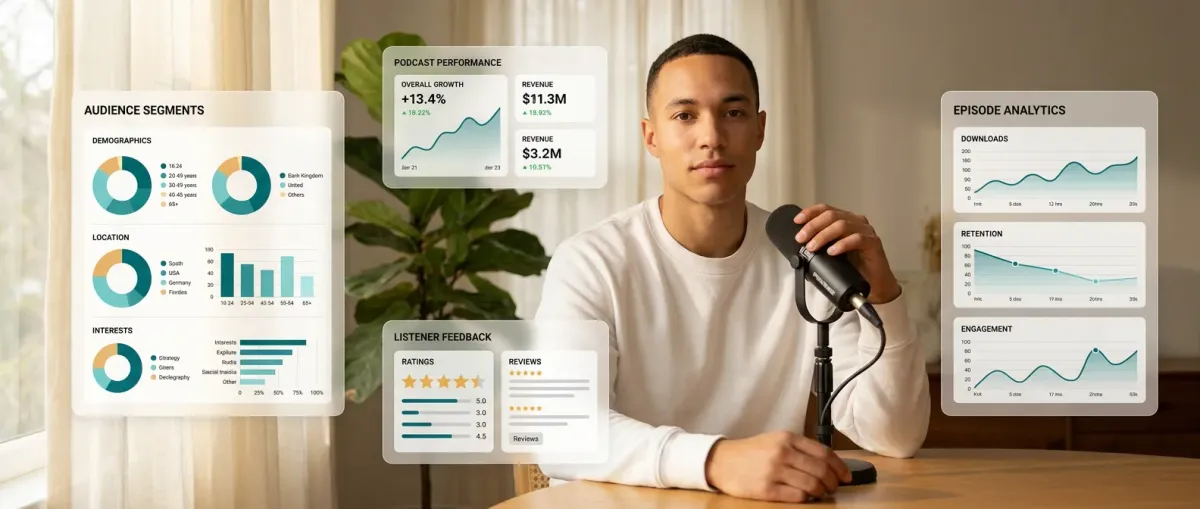
Spotify now counts a play only after 30 seconds. Here is why your numbers may drop, what the new creator analytics show, and how to respond.
Key Takeaways
- As of June 11, 2026, Spotify counts a play only after someone listens to or watches at least 30 seconds of an episode. Quick taps and accidental starts no longer count.
- Your play numbers may look lower than before. That is a stricter, more honest count, not a smaller audience.
- The change matches a new industry standard from the Alliance for Measurement in Podcasting (AMP), so play counts are becoming more consistent and easier to compare across platforms.
- Spotify also rebuilt its creator analytics. You can now separate first-time listeners from returning fans, compare each episode against your back catalog, and see your data going back to your first day on the platform.
- For authority and lead-generation shows, this rewards exactly what already matters: an opening that earns the first 30 seconds and content that keeps people listening.
On June 11, 2026, Spotify changed what counts as a podcast play. The short version is that a play now registers only after 30 seconds of listening or watching. If you run a show for your business, this changes the numbers in your dashboard, and it probably changes them downward. Here is what actually happened, why it is a good thing for serious creators, and what to do about it.
What actually changed
Until now, a play could be triggered by almost any start, including the accidental tap that gets closed two seconds later. Under the new standard, Spotify counts a play only when an episode is listened to or watched for at least 30 seconds. Spotify says its own audience data shows that 30 seconds is a reliable signal of intentional listening, which screens out accidental starts and other low-intent activity.
The change is already live, so your reports reflect it now. There is nothing to switch on and nothing you did wrong if your numbers look different this week.
Why your numbers might drop, and why that is fine
Expect your play counts to come down. As an illustration, a show that counted 100,000 plays under the old rule might show 75,000 or fewer under the new one. The exact size of the shift depends on your audience and how people find your episodes.
That drop is not a loss of audience. The same people are listening. What changed is that Spotify stopped counting the taps that never turned into real listening. You are now looking at a cleaner number that reflects people who gave your episode an actual chance.
For a business podcast, that is the number you wanted all along. A play that represents 30 seconds of attention tells you far more about what is working than a raw start that might mean nothing. It is harder to inflate and easier to trust, which matters when you are using your show to build authority and generate leads.
Why this is happening
This is not a one-off Spotify decision. It lines up with a broader push to standardize how podcasts are measured across platforms.
Over the past year, Spotify worked with the Alliance for Measurement in Podcasting, an independent industry coalition known as AMP, formed to create shared, cross-platform measurement standards. In early June 2026, AMP ratified a definition of a podcast play as at least 30 seconds of audio or video consumed in a session, and Spotify’s data helped inform it. Spotify’s new threshold matches that standard.
The goal is consistency. For years, a play, a listen, a download, and a video view all meant different things on different platforms, which made it nearly impossible to compare performance or value a show fairly. A shared definition starts to fix that. AMP’s framework is meant to work alongside the download metric, not replace it, so downloads are not going away.
The new analytics, and what they are actually good for
Spotify paired the play change with a rebuilt analytics experience in Spotify for Creators. A few pieces are worth your attention if you produce a show for business results.
- First-time versus returning listeners. You can now see how your audience splits between new people and fans who keep coming back. Returning listeners are the clearest signal of the loyalty that authority-building shows depend on.
- Episode-versus-catalog comparison. You can measure each episode against the rest of your library, which makes it much easier to see which topics and formats earn attention and which fall flat. That is direct input for your content planning.
- A dedicated engagement view. A new tab pulls fan activity into one place instead of leaving you to piece it together.
- A redesigned homepage. The dashboard now surfaces the most useful, actionable numbers first, so you spend less time hunting.
- Full historical data. You can track plays, interactions, and growth all the way back to your first day on Spotify, which gives you real trend lines instead of a short recent window.
The headline is the play count, but these reporting changes are the part you will use every week.
What to do now
You do not need to overhaul anything. You need to reset expectations and adjust how you read the numbers.
- Re-baseline your reporting. Do not compare plays from before and after the change as if they measure the same thing, because they do not. Draw a line at June 11 and treat it as a new starting point.
- Tell your stakeholders before they panic. If a client, a boss, or a team sees plays drop with no explanation, they will assume the show is failing. Get ahead of it with a one-line note that the metric changed, not the audience.
- Double down on the first 30 seconds. The new rule puts a price on a weak open. If your episodes start with a long intro or slow housekeeping, you are now losing plays you used to keep. Lead with the hook and earn that half minute.
- Judge the show on engagement, not raw plays. Completion rate, returning listeners, and how each episode performs against your catalog tell you more about whether the show is working than the play total ever did.
- Keep plays in context. Treat the play count as one input alongside follows, completion, and downloads, not the single score that defines the show.
Make the new numbers work for you
A stricter play count is good news if you are building a podcast for authority and leads, because it finally rewards what you have been working toward: people who choose to listen and stay. The shows that win under this standard are the ones with a sharp open and content worth finishing, which is a podcast strategy question long before it is an editing one.
If your numbers shifted this month and you want a clear read on what they actually mean, we can help. Book a call with HiveCast.fm and we will walk through your new analytics and what would move the needle for your show.
Frequently Asked Questions
Why did my Spotify podcast plays suddenly drop in 2026?
Spotify changed how it counts a play. As of June 11, 2026, a play registers only after at least 30 seconds of listening or watching, so accidental starts and quick taps no longer count. Your audience did not shrink. The way Spotify counts it got stricter.
What counts as a play on Spotify now?
A play is counted when someone listens to or watches at least 30 seconds of an episode. Anything shorter, including an accidental start, is no longer counted as a play.
Does a lower play count mean I lost listeners?
No. The same people are listening. The new number simply excludes the starts that never became real listening, so it is a more accurate measure of who actually engaged with your episode.
When did the Spotify play count change take effect?
June 11, 2026. The new standard applied immediately, so dashboards reflected it right away with no action needed from creators.
Is Spotify’s 30-second play the same as a download?
No. A play and a download are still different things. Spotify’s 30-second play matches the new AMP industry standard for plays, while downloads are measured under [separate guidelines that use a different threshold](https://iabtechlab.com/standards/podcast-measurement-guidelines/). A download means an episode was delivered to a device, which is not the same as someone choosing to listen.
Will the new play count affect sponsorships or ad rates?
It can, and mostly in a good way over time. A standardized, harder-to-inflate play count gives advertisers more confidence in the numbers, which supports fairer valuation of your inventory. In the short term, be ready to explain to current sponsors why the raw play figure looks lower than it did before.
What new analytics did Spotify add for creators?
Spotify rebuilt its creator analytics with tools to separate first-time listeners from returning fans, compare each episode against your back catalog, and view fan activity in a dedicated engagement tab. It also redesigned the dashboard homepage and opened up full historical data back to your first day on the platform.
Want this handled for you?
You record the episode, and HiveCast handles the editing, show notes, graphics, and scheduling. We have produced more than 5,000 episodes, and there are no long-term contracts.
More on Podcast Strategy
Related Articles

Podcast for Business: 5 Ways Experts Win Clients With a Show
A podcast for business does five jobs, from warming up prospects to earning search traffic. See what to track for each, written for coaches and experts.
How to Turn Podcast Clips Into Leads With ManyChat
Learn how to use ManyChat podcast clips and turn Instagram engagement into leads with automated DMs, smarter CTAs, and a better podcast funnel.
Start a Business Podcast: Build Authority and Growth
Start a business podcast with proven strategies. Build authority, grow your brand, and generate leads. Launch your show in 30 days with HiveCast.fm.