Your Podcast Pilot Blueprint: A Step-by-Step Plan
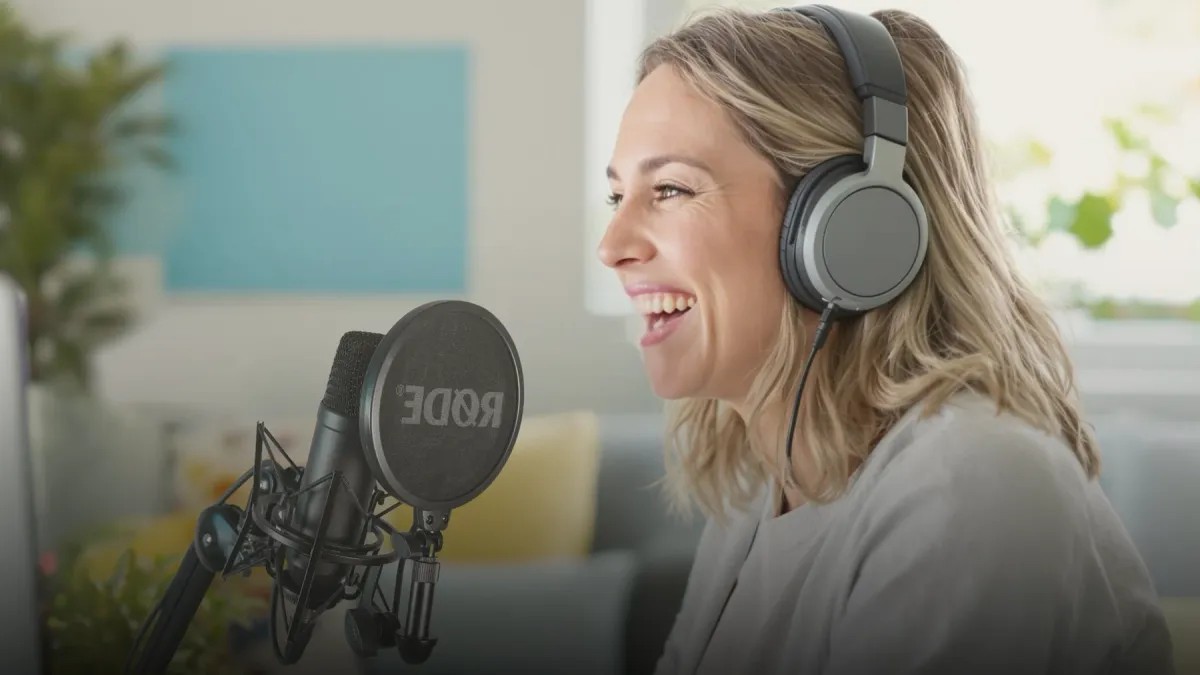
Do not skip the pilot. A step-by-step guide to planning, recording, and refining your podcast pilot episode before you commit to going live.
Launching a new podcast? Don’t just dive into Episode 1. A podcast pilot is your best-kept secret to ensuring a strong start, without the public pressure. It’s your test kitchen, creative sandbox, and dry run all in one.
In this guide, we’ll walk you through how to plan, record, and evaluate your pilot episode like a seasoned host, drawing from insights gained through launching hundreds of podcasts and supporting thousands of episodes through HiveCast.
What Is a Podcast Pilot?
Think of your pilot episode like a first draft, but with the polish of a real episode. It’s your chance to test your podcast concept, try out your equipment, experiment with your voice and style, and gather feedback before going public. Some podcasters choose to publish their pilot, while others keep it private as a practice round. Either way, it’s a critical part of building a podcast that connects. Even Industry veterans often test multiple versions of a show before going live.
Step 1: Define the Show Concept
Your podcast concept is the foundation of everything. Start by asking:
- Who is this podcast for?
- What value will it provide to the listener?
- What makes it different from other shows in your space?
Next, create a one-liner that clearly summarizes your podcast. For example: “A weekly podcast that helps busy creatives build better habits through science-backed tools and real-life stories.” If you can’t nail this sentence, refine your idea until it’s crystal clear.
Now decide on your format. Will you go solo, conduct interviews, or host a roundtable? Will your episodes be long-form or bite-sized? Narrative or conversational? Listening to a few podcasts in your niche can help you spot patterns, strengths, and gaps, and figure out how you’ll stand out.
Pro Move: Study 3–5 podcasts in your category. Note what works, what feels stale, and what you’d do differently.
Step 2: Plan Your Episode Structure
Your pilot is the ideal time to test your show’s flow and pacing. A simple structure that works well for most:
- Start with an impactful hook or cold ope
- Followed by an intro where you explain who you are and what the episode is about.
- Then move into your main content: your story, interview, or topic discussion.
- End with a CTA (like asking for feedback or subscribing)
- Finish with an outro or teaser for what’s coming next.
Insider Tip: Script your intro and outro word-for-word to stay clear and confident. For the main content, an outline works better than a full script to keep your delivery natural.
Step 3: Set Up Your Recording Environment
Now’s the time to work out any tech glitches. Record in a quiet room. Soft furnishings like rugs and curtains help reduce echo. Use an external microphone (USB or XLR) and always wear headphones to avoid feedback.
Record in a remote recording studio like Riverside.fm. Before you dive in, record a 30-second test. Listen back and check for background noise, hissing, or echo, and fix those before you record the real thing. Bad audio can ruin great content. Your audience will forgive a stumble, but not an earache.
If you want more tips on improving your setup, Check out our guide on improving audio quality for remote podcast recordings.
Step 4: Record Your Pilot
This is where it gets real. Don’t worry about being perfect, just focus on flow, clarity, and sounding like yourself. Imagine you’re speaking to one specific person, not a large audience. Keep going even if you mess up; you can always edit later.
Take breaks, stay hydrated, and smile while you speak, it helps your voice sound warm and natural. We also recommend recording your first three episodes in one batch. Even if you only release one, it helps you find your rhythm quickly.
Step 5: Edit Your Episode
You don’t need professional audio training to produce a solid pilot, but editing is where a good episode becomes a great one. Start by cleaning up filler words and long pauses, balancing volume levels between you and any guests, and adding intro/outro music to give the episode structure.
That said, editing takes a lot of time, and it’s completely normal (and often smart) to outsource this part. Many hosts work with a podcast production team, like HiveCast, to handle editing, sound design, and quality control. It frees you up to focus on creating great content, while ensuring your show sounds professional from the very first episode.
Step 6: Get Honest Feedback
Before you share your podcast with the world, get feedback from 3–5 trusted listeners. Include someone from your target audience, a fellow podcaster, and someone who isn’t afraid to give you constructive critique.
Ask questions like: Was the intro compelling? Did the pacing feel natural? Would you listen again? Include a short Google Form to make it easy for people to respond.
Pro Tip: Focus feedback on listener experience, not just technical polish. The goal is to learn what resonates.
If you’re unsure what to look for in feedback, or how to translate it into action, that’s where podcast coaching can make a real difference. At HiveCast, we offer a 6-week accelerator program designed to help podcasters refine their strategy, build authority, and grow an audience that actually converts. It’s ideal for hosts who’ve launched but want to improve performance, stand out in their niche, and start seeing results from their efforts.
Step 7: Decide Whether to Publish or Start Fresh
After reviewing the feedback, decide if your pilot is strong enough to be Episode 1, or if you’d rather re-record with some improvements. Either choice is valid.
Many podcasters keep their original pilot live, even if their show evolves. It becomes a time capsule for early fans and a reminder of how far they’ve come. We’ve worked with clients who launched strong from the start and others who used their pilot as a private rehearsal, both paths lead to a great podcast.
Step 8: Plan Your Launch Strategy
Once your pilot’s polished, it’s time to think of the big picture. Launch with two or three episodes so new listeners have something to binge, and a reason to stick around. Create a short trailer episode and cover art, choose a podcast hosting platform like Podbean or Buzzsprout, and submit your show to directories like Apple Podcasts, Spotify, Google Podcasts, and YouTube.
Pro Tip: Launching with multiple episodes boosts early downloads, which can improve your rankings in podcast directories, especially during that crucial first month.
And if you want a launch plan tailored to your show, goals, and business? Our podcast coaching program walks you through exactly that. From optimizing your content to converting listeners into customers, we help you turn a passion project into a performance-driven platform.
HiveCast Can Help You Launch Like a Pro
Feeling overwhelmed? You don’t have to DIY your pilot (or the rest of your podcast) alone.
At HiveCast, we partner with busy professionals to launch and grow high-quality podcasts, without the guesswork. From pilot episode development and editing to full launch plans, we handle the details so you can focus on the conversation.
Want help bringing your podcast idea to life? Book a Free Consultation to get started.
Frequently Asked Questions
How do I choose an effective format for my podcast pilot?
Start by matching your format to both your strengths and your content goals. For complex topics, a structured solo episode might work best. For industry insights, consider an interview format that showcases expert conversations. Record a practice session in your chosen format and listen back, this helps identify what feels most natural and where adjustments may be needed. If you're unsure which format suits you, test two styles back-to-back and get feedback on both.
What's the ideal duration for a pilot episode?
Aim for 20–30 minutes for your pilot episode. This length provides enough time to demonstrate your value while keeping production complexity manageable. Professional producers often recommend this sweet spot because it gives new listeners a solid introduction without overwhelming them.
What technical mistakes should I watch out for?
Audio quality is the foundation of a professional podcast. Avoid background noise, echo, or inconsistent volume levels, these can quickly turn listeners off, no matter how strong your content is. Make sure to: Use a quality mic and a headset. Record in a quiet space. Monitor levels during recording. Pro Move: Partner with a podcast production team (like HiveCast) to handle editing, and sound design, so you can focus on delivering high-value content.
My pilot episode needs improvement, what steps should I take?
Start by analyzing specific aspects of your pilot. Review your content structure, pacing, and energy level. Check engagement metrics if shared with a test group, and gather feedback from experienced podcasters or potential listeners. Focus on improving one element at a time: maybe tighten your intro, refine your content focus, or upgrade your recording setup. Don't be afraid to re-record if needed; even top-tier shows do multiple takes.
What's the most effective way to promote my pilot episode?
Promote your pilot in spaces where your ideal listeners gather: think professional communities, industry LinkedIn groups, or Facebook groups. Pair your episode with high-impact visual teasers or audiograms. Insider Tip: Break out key takeaways or moments into 30-second social clips. Many shows gain traction from repurposed highlights shared on YouTube Shorts, LinkedIn, IG Reels, or TikTok.
Want this handled for you?
You record the episode, and HiveCast handles the editing, show notes, graphics, and scheduling. We have produced more than 5,000 episodes, and there are no long-term contracts.
More on Podcast Coaching
Related Articles

How to Be a Better Podcast Host: 7 Interview Tips
Seven interview strategies for podcast hosts, covering guest selection, prep, question design, and staying in control of the conversation on air.

Why to Record Solo Podcast Episodes (And Make Them Good)
Solo episodes build trust, authority, and conversions. Learn why they work, and how to make yours focused, engaging, and worth listening to.
4 Fun Strategies for Engaging Industry Expert Interviews
Four strategies for engaging industry expert interviews that boost your credibility and keep your podcast audience listening to the end.