Why Every Podcaster Needs a Listener Survey
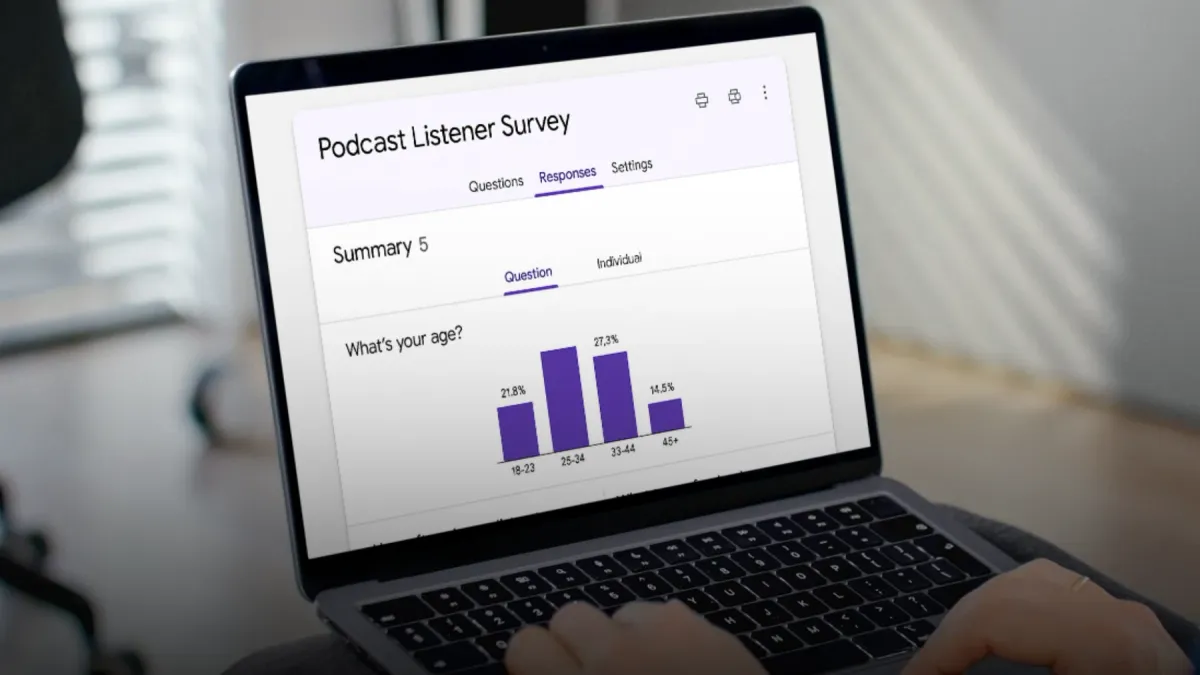
A listener survey tells you what to make next. Learn which questions to ask, how to get responses, and how to turn the answers into episodes.
You’ve probably heard the advice a hundred times: “Know your audience.” But here’s the thing most podcasters miss, knowing isn’t the same as assuming.
Your audience is constantly evolving. Their needs shift, their listening habits change, and what they expect from your podcast might not be what you originally planned. That’s why audience surveys, done well, can be one of the most powerful tools in your podcast growth strategy.
In this post, we’re walking you through how to create effective listener surveys, ask the right questions, and actually apply the insights to strengthen your show.
Why Listener Surveys Matter
If you’ve been podcasting for a while, you already know: analytics only tell part of the story.
Download numbers, completion rates, and click-throughs show what people do, but not why. That’s where surveys come in. A well-crafted listener survey gives you access to the motivations, preferences, and expectations behind your audience’s behavior. That data can inform:
- Episode topics and formats
- Ideal episode length and frequency
- Guest selection
- Monetization opportunities
- Marketing and social media strategy
- Overall positioning of your show
Surveys turn vague “gut feelings” into strategic decisions grounded in real feedback.
Step 1: Define the Goal of Your Survey
Before writing a single question, decide what you want to learn.
Are you trying to:
- Identify which episodes perform best and why?
- Discover what topics your listeners want more of?
- Understand who your listeners are demographically?
- Improve your marketing or monetization strategy?
Narrowing your focus makes your survey more valuable, and easier for people to complete.
Step 2: Keep It Short, Clear, and Focused
The sweet spot? Under 10 questions and under 5 minutes to complete.
Here’s what you don’t want: a survey so long it scares people away. Focus on clear, direct questions that avoid jargon and double meanings. Use a mix of question types, like:
- Multiple choice: for quick, scannable data (e.g. “Which type of episode do you enjoy most?”)
- Rating scales: to gauge satisfaction or engagement (e.g. “How likely are you to recommend this podcast to a friend?”)
- Open-ended: to gather rich insights in their own words (e.g. “What’s one topic you wish we’d cover?”)
Pro Tip: Ask only what you’ll actually use. Every question should serve a purpose.
Step 3: Sample Podcast Listener Survey Questions
Here are some tried-and-true questions to include:
- How did you first discover this podcast? – Helps refine your promotional strategy.
- Which episodes have been your favorite, and why? – Identifies patterns in what resonates.
- What do you wish we’d do more (or less) of? – Surfaces opportunities and weak spots.
- How often do you listen to episodes all the way through? – Gauges content engagement and pacing.
- Where else do you follow or interact with us? – Points to strong marketing channels or potential gaps.
- What best describes your current job/role? – Useful for aligning sponsors or future offers.
- What do you hope to gain from listening to this show? – Clarifies the value listeners expect and helps refine your positioning.
You can also look at this example from Edison Research for other listener survey questions for inspiration.
Step 4: Offer an Incentive (It Works)
People are busy. A little thank-you goes a long way.
Offer something small and valuable in exchange for completing the survey:
- A chance to win a $25 gift card
- Bonus content or early access to an episode
- A shout-out in a future episode
- Access to a free resource or checklist
Incentives increase response rates, especially if your audience isn’t used to being surveyed.
Step 5: Make It Easy to Share and Complete
Use a simple, mobile-friendly tool like:
- Google Forms (free and easy)
- Typeform (great UX)
- SurveyMonkey (strong analytics tools)
Share the survey through:
- A clear CTA in your podcast episode (“You’ll find the link in the show notes!”)
- Your email newsletter
- Your social media bios and posts
- A pinned episode or audio clip reminding people to participate
Repeat the ask. A one-time plug won’t cut it.
Step 6: Analyze the Results (Without Drowning in Data)
Once you’ve gathered responses, look for:
- Themes in open-ended responses (e.g. several people ask for the same topic)
- Trends in episode preferences or listening habits
- Gaps between what you’re doing and what listeners want
You don’t need to act on every suggestion, but you should identify 2–3 key areas where listener feedback aligns with your own goals and capabilities.
Ways to Apply Listener Survey Results
- Refine your content calendar – Focus on the topics your audience craves
- Add or drop formats – Swap interviews for solo episodes (or vice versa) based on what’s working
- Adjust episode length or frequency – Find the ideal rhythm for your listeners
- Update your show description – Match your messaging to the value your listeners see
- Rework your CTAs – Make stronger, more relevant asks in your episodes
- Choose guests more strategically – Invite people who reflect your audience’s interests
- Revise your monetization approach – Use listener data to pitch aligned sponsors or offers
- Improve listener retention – Spot patterns in where people drop off and adjust accordingly
These kinds of changes don’t just improve your podcast. They strengthen your brand, deepen listener loyalty, and make your show more effective at supporting your bigger goals.
Pro Tip: Save responses for future segmentation. If you gather email addresses, you can tailor outreach or offers based on interest groups later.
Step 7: Apply the Insights and Tell Your Audience
Here’s what many podcasters skip: closing the loop.
Tell your audience what you learned, and what changes they can expect. It builds trust and makes people more likely to engage again in the future.
Try: “Thanks to your feedback, we’re bringing back our short solo episodes every Friday, and yes, we’re finally doing that behind-the-scenes episode you asked for.”
Want Help Analyzing Listener Feedback?
If you’re swimming in feedback but unsure what to do with it, you’re not alone. As part of our podcast coaching services, we work with podcasters to turn raw insights into real strategy, from content tweaks to launch campaigns and listener retention plans.
Schedule a call with us.
Want this handled for you?
You record the episode, and HiveCast handles the editing, show notes, graphics, and scheduling. We have produced more than 5,000 episodes, and there are no long-term contracts.
More on Podcast Strategy
Related Articles

Podcast for Business: 5 Ways Experts Win Clients With a Show
A podcast for business does five jobs, from warming up prospects to earning search traffic. See what to track for each, written for coaches and experts.

How to Turn Podcast Clips Into Leads With ManyChat
Learn how to use ManyChat podcast clips and turn Instagram engagement into leads with automated DMs, smarter CTAs, and a better podcast funnel.
Spotify’s New Play Count: What the 30-Second Rule Means
Spotify now counts a play only after 30 seconds. Here is why your numbers may drop, what the new creator analytics show, and how to respond.