5 Tips to Rank Higher on Apple Podcasts in 2026
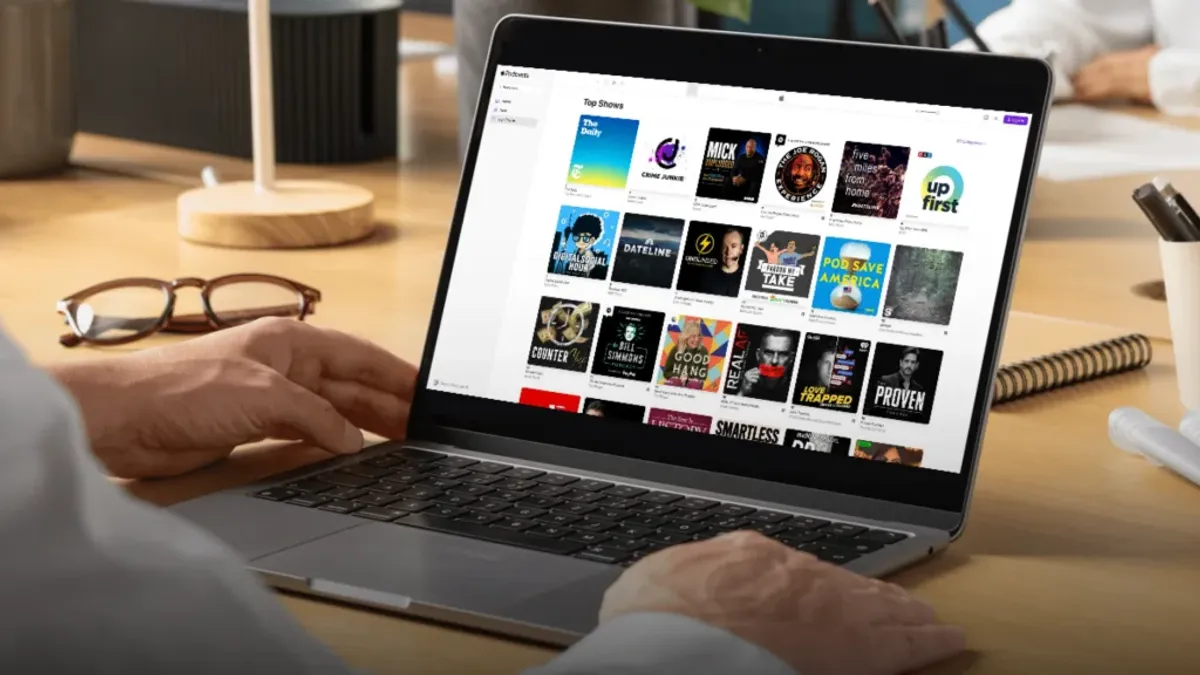
Rank higher on Apple Podcasts in 2026: optimize metadata, earn more follows, improve retention, and turn Search and Top Charts into discovery.
Apple Podcasts offers two main ways listeners find new shows: Search and Top Charts. Search matches your metadata, things like your show title and episode titles, against what people type in. Charts work differently. They reflect what’s gaining real traction right now, not all-time listening or back catalog size. What both reward is the same underlying thing: steady engagement and listeners who actually stick around. Metadata is what gets you found in Search specifically.
Here are 5 ways you can improve your chances of being found:
1. Include relevant keywords in your episode titles and descriptions
Every new episode is another shot at showing up for topics your audience is already searching for. Apple uses your show title, episode titles, and author tag to understand what your content is about and match it with relevant queries, so make those fields work hard.
Use relevant keywords naturally in your episode titles, descriptions, categories, and show notes. Think about the words your ideal listener would actually type into Apple Podcasts, then work those terms into your copy in a way that still sounds clear and human.
For example, “Snuff Out Burnout with Dr. Steven H. Smith” is cute, but it does not tell a listener much. But “How to Manage Burnout Before It Affects Your Health” gives Apple more context and gives a potential listener a clear reason to press play.
2. Create stronger reasons for listeners to follow your show
According to Apple, users who follow a show listen to 80% more of that show on average than users who don’t. Follows also feed directly into chart rankings. The more followers and engagement your show accumulates, the more the charts reflect it.
Don’t just say “follow the show.” Make the ask specific and tied to what’s coming. “Follow so you don’t miss next week’s episode on building a better client pipeline” gives someone a real reason to tap that button. This matters most in the first 24 to 48 hours after a new episode drops, when early activity builds momentum.
3. Improve episode retention by tightening the listener experience
Apple’s charts measure a mix of listening, follows, and completion rate. Getting into search results is the easy part. Staying there requires listeners who actually finish what they start.
Open each episode with a clear reason to keep listening. Cut long intros, inside jokes, and slow setups that delay the value. Then check your Apple Podcasts Connect analytics to find where listeners drop off. A dip in the first few minutes usually means the intro needs trimming. A dip at the halfway point usually means the episode needs tighter structure.
4. Promote your Apple Podcasts link directly
If you want listeners to take action on Apple Podcasts, make it easy to do exactly that. Share your Apple Podcasts link in your newsletter, on your website, in social posts, and in guest promo materials. Apple’s Marketing Tools let you generate direct links, short links, embeddable players, QR codes, and badges, all pointing straight to your show or a specific episode.
The easier you make the next step, the more likely people are to actually listen, follow, and engage, which feeds right back into tips 2 and 3.
5. Choose the right category for your show
Apple Podcasts Charts are organized by market and category, with up to 200 results per category. A more specific category can help your show stand out, but only if it’s an accurate fit. Choosing a category because it looks less competitive, and then confusing people who land there, is a fast way to tank your engagement signals.
Pick the clearest fit. Your goal is to reach listeners who are most likely to follow, finish episodes, and come back, not just to appear in a shorter list.
Apple Podcasts visibility isn’t one thing. It’s your titles, your descriptions, your category, how you promote, and how listeners respond once they press play. Pulling all of those levers together on your behalf is what our podcast SEO service does. If you want a second set of eyes on how your show is performing, we’re happy to dig in. Book a call with HiveCast and let’s talk through what would actually move the needle for your show.
Frequently Asked Questions
How does Apple Podcasts ranking actually work?
Apple uses two systems, and they work differently. Search matches your metadata, mainly your show title, episode titles, and author tag, against what people type in. Charts reflect recent momentum rather than all-time numbers or back catalog size, so they reward follows, plays, and completion happening right now.
Do downloads affect Apple Podcasts rankings?
Not the way most people assume. Automatic downloads, the ones that pile up in the background after someone follows you, don’t move the charts. Apple’s charts measure follows, plays, and completion rate, so a listener who presses play and finishes counts for far more than a download sitting unopened on a phone.
Do ratings and reviews affect Apple Podcasts rankings?
No. Apple has said directly that ratings and reviews aren’t factored into Search or Charts. They’re still worth collecting as social proof for people deciding whether to press play, but they won’t move your ranking.
Can a new podcast rank on Apple Podcasts?
Yes. New shows can rank, especially with clear positioning, searchable episode titles, and a burst of listener engagement early on. A focused launch where follows and plays cluster in the first day or two often does more than a large but quiet back catalog.
How long does it take to rank higher on Apple Podcasts?
There’s no fixed timeline, but the pattern is predictable. Shows that move quickly usually do it within the first few days of a launch or promotion push, when follows and plays spike together. Steadier growth from better titles and retention tends to show up over weeks or months.
Why isn’t my podcast showing up in Apple Podcasts search?
It’s almost always a metadata problem. Apple reads your show title, episode titles, and author tag to decide what you match, and it doesn’t index your show notes. If those fields don’t include the words your audience actually searches, your episodes won’t surface, no matter how good the content is.
Can updating old episodes improve their ranking?
Yes. Rewriting an older episode’s title and description with clearer, more searchable language can make it easier to find and more compelling to click. The content stays the same, but the packaging starts working for you in Search.
Do podcast guests help with rankings?
They can, when the promotion is set up right. A guest who shares the episode with a direct Apple Podcasts link drives immediate follows and plays, which is the early engagement the charts reward. Give guests that direct link rather than a universal one when the goal is to build activity specifically on Apple.
Want this handled for you?
You record the episode, and HiveCast handles the editing, show notes, graphics, and scheduling. We have produced more than 5,000 episodes, and there are no long-term contracts.
More on Podcast SEO
Related Articles

Podcast SEO: How to Get Your Show Found in Search
Podcast SEO works in two places: the search inside Apple and Spotify, and the episode pages Google reads. Here is what to fix in each, and in what order.

Search Console Now Links Your Social: What It Means
Learn what Google Search Console for YouTube means for podcasters, what data it shows, and how to use it to improve discoverability.

How to Use Apple Podcasts Deep Links to Get More Subscribers
Apple Podcasts deep links open straight in the app with Follow ready to tap. Learn how to build them and cut the friction costing you subscribers.